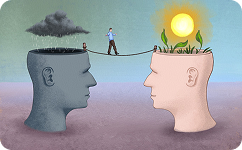
DEPRESSION

For depression, we work on breaking the cycle of negative thinking, withdrawal and reduced motivation, using manageable behavioural and psychological changes to help you gradually reconnect with everyday life.

Understanding Depression, Finding a Way Forward

Depression can affect your mood, thoughts, relationships and everyday life. With the right support, positive change is possible.

Active, evidence-based, solution-focused therapy.

Clear treatment plan

Assessment first

Award-Winning Psychologist

145+ five-star Google reviews

30+Years Experience

What Is Depression?

Depression is more than feeling sad. It can affect how you think, feel and function in everyday life.

Understanding what you’re experiencing is the first step towards getting the right support.

Symptoms

Treatment for Depression

I take a practical, supportive and individualised approach to treating depression. Therapy is tailored to you, your circumstances and the difficulties you are experiencing, rather than using the same approach for everyone.

CBT

Understand negative thought patterns and develop healthier ways of thinking.

Counselling

A safe space to explore your feelings and experiences.

Solution-Focused Therapy

Focus on practical changes and moving towards your goals.

Clinical Hypnotherapy

Support relaxation, sleep and emotional wellbeing.

I use evidence-based Cognitive Behavioural Therapy (CBT) to help you recognise and change negative patterns of thinking and behaviour that can maintain depression. We work together to gradually increase motivation, activity, confidence and engagement with everyday life.


My work is also solution-focused, meaning that while it is important to understand what has contributed to how you feel, therapy does not have to remain focused on the past. We look at what can change now and develop realistic, manageable steps towards feeling better and regaining a greater sense of control.


Where appropriate, I may also incorporate counselling, NLP and clinical hypnotherapy, particularly to support emotional processing, relaxation, sleep, confidence and changes in deeply established patterns of thinking.


Depression can make change feel difficult or even impossible, but treatment is about taking manageable steps rather than expecting everything to change at once. My aim is to help you understand what is maintaining the depression, develop effective ways of responding to it and begin moving towards a life that feels more manageable, meaningful and enjoyable.


What Can Contribute to Depression?

Persistent low mood and loss of interest.

Psychological

Negative thinking and low self-esteem.

Biological

Genetics and changes in brain functioning.

Life Experiences

Loss, trauma, relationship difficulties and other major life events.

Types of Depression

Major Depression

Persistent low mood and loss of interest.

Dysthymic Disorder

Long-lasting depressive symptoms.

Bipolar Depression

Depression occurring as part of bipolar disorder.

Postnatal Depression

Depression during or after pregnancy.

Take the first step

Take the first step towards understanding the support you may need.

Request an Initial Psychological Assessment to discuss your concerns and explore the most appropriate way forward.

ACCEPTED INSURANCE COMPANIES